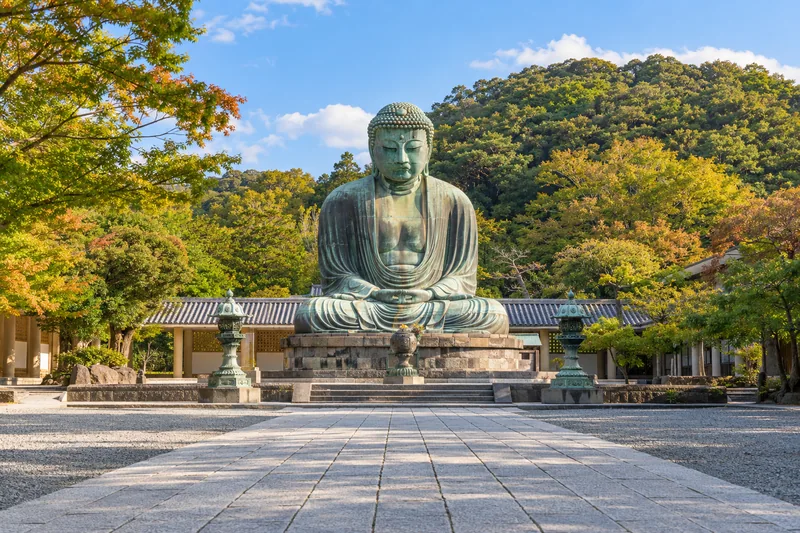
If all three appeal equally, start with Kamakura for a heritage day that is easier to shorten. Choose Hakone when mountain scenery and onsen atmosphere matter more than simple logistics. Choose Nikko when major shrine and temple heritage is worth a longer travel commitment. If Tokyo still feels unfinished, keep the day in the city.
In this guide
Protect Tokyo time first
Count full usable Tokyo sightseeing days before allocating one to an excursion. Hotel nights and partial arrival or departure days are different units.
| Available full days | Starting point |
|---|---|
| 1–4 | Usually stay in Tokyo for a broad first visit. |
| 5 | Add a day trip only for a real personal priority, accepting a tighter city plan. |
| 6+ | One excursion becomes more comfortable to justify; it is still optional. |
These are planning bands, not hard rules. Pace, companions and narrower interests can change the choice. Five full days can still be well spent in Tokyo.
Choose the experience and the effort together
| Choice | Strongest reason to go | Main trade-off |
|---|---|---|
| Kamakura | Temples, shrines and traditional streets with a flexible day | Walking and local movement still count; adding the coast or Enoshima expands the outing. |
| Hakone | Mountain and lake scenery, onsen atmosphere and a chance of Fuji views | Scattered experiences and connecting transport need more coordination; weather can weaken the plan. |
| Nikko | Major shrine and temple heritage in a forest setting | A more committed journey from Tokyo, followed by local travel and walking. |
The first train ride is only part of the day. Include the journey from your hotel, local connections, waits, sightseeing effort and the complete return.
Kamakura: the flexible starting point
Keep the core modest: a temple or shrine area and time in the traditional streets. A second cluster or the coast can remain optional. If energy drops, remove those extras and return earlier.
Enoshima is an extension, not an automatic extra. Add it by trading something out. Kamakura's flexibility makes it a useful starting point for mixed-energy groups, but it is not an accessibility guarantee or a universal family winner.
Hakone: choose a few priorities
Choose Hakone because you want its scenery and atmosphere, and are comfortable with local connections. You do not need to complete a fixed circuit. Protect time for the return and drop attractions before squeezing connection buffers.
Treat Fuji as a bonus. Clear views are conditional, and the ropeway can stop in adverse weather. If a Fuji view is the main reason for going and visibility looks poor, reconsider the outing.
A deliberately limited outing can suit a group that wants just a small part of Hakone. If a slow onsen stay or several substantial experiences matter, consider an overnight within your wider Japan route instead of compressing everything into one day.
Nikko: give the heritage core the day
Choose Nikko when its shrine and temple heritage is a clear priority and the group accepts the travel commitment. Keep a first day trip focused on the World Heritage area.
Lake Chuzenji and the wider mountain area are a separate extension. They should not become an automatic addition to the heritage day. If nature is the main purpose, reconsider whether an overnight fits the wider trip better. If energy falls, finish the core and protect the return.
Keep permission to shorten or cancel
Before going, check the weather, the services and access you actually need, and a workable return. Decide which extras you will drop first. Conditions and group energy can change the answer even after choosing a destination.
If the outing no longer earns the Tokyo day it uses, stay in Tokyo.