Short answer
Use different food formats for different parts of the day: inexpensive breakfast, one proper meal, selective market grazing and a café or indoor break when comfort matters. Night markets can be great value, but they do not need to be the plan every night.
In this guide
The value decision is mix, not cheapest-possible food
The goal is eating well without overspending by mixing meal types, route proximity and comfort, rather than following a restaurant ranking.
A practical daypart rhythm
- Morning: breakfast
- Lunch: one proper meal
- Afternoon: drink, dessert or café
- Evening: choose market OR food walk OR sit-down meal
Consider keeping one flexible food slot each day.
Use markets selectively
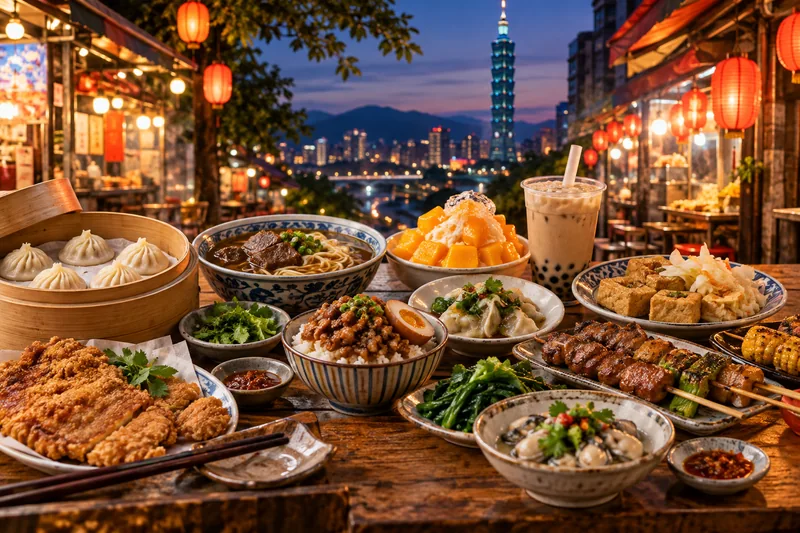
Night markets are strongest when you want variety and snack-style eating.
They are not compulsory every night. Crowding and the snack-heavy format can make a casual sit-down meal or food court the better choice on some days.
Pay for comfort when it improves the day
A café or food court can be good value when you are tired, travelling with children, dealing with heat/rain or managing mixed preferences in a group.
“Value” is not only the lowest price.
Rough spending bands
These historical per-person examples are rough planning context:
- snack / small drink: NT$50–100
- breakfast: NT$60–120
- casual meal: NT$120–250
- market grazing: NT$150–300
- café / dessert: NT$120–250
- better sit-down meal: NT$250–500+
These are not a daily budget and should be refreshed before public use if displayed as current pricing.
Final decision
Build Taipei food around one breakfast, one proper meal, selective market time and a comfort break when useful. Follow the sightseeing route rather than crossing the city for every meal.